In packaging selection, folding cardboard boxes are increasingly becoming the preferred choice across various industries due to their flexibility and practicality. Not only are they lightweight, eco-friendly, and easy to transport, but they can also be highly customized to perfectly adapt to various products - from pharmaceuticals, cosmetics, to consumer electronics, and even high-end gifts.
Whether you are seeking structural innovation, visual appeal, or a balance between cost and sustainability, folding cartons offer a solution worth serious consideration. This article will provide you with a comprehensive understanding of the types and styles of folding cartons, helping you make more informed packaging decisions.
What is a folding cardboard box?
A folding cardboard box is a packaging container made from cardboard or corrugated cardboard that can be folded for storage and transportation, and assembled for use. It is characterized by low cost, environmental friendliness, and strong adaptability, and is widely used in industries such as retail, food, cosmetics, and pharmaceuticals. Its structure is sturdy and supports high customization, effectively protecting the contents while also facilitating brand printing and display. Modern folding cartons are typically produced using precision cutting equipment, allowing them to be flexibly manufactured in various sizes and shapes to meet the packaging needs of different products.
Materials Used in Folding Carton Packaging
The functionality, sustainability, and appearance of folding cartons largely depend on the materials selected. Currently, there is a wide variety of commonly used materials that can meet basic packaging needs as well as higher standards in applications such as food and medical products. The following are several mainstream materials used in folding cartons:
1、Cardboard
Cardboard is the most commonly used base material for manufacturing folding cartons. It is a renewable resource, environmentally friendly, and easy to process. Common types include solid bleached sulfate board (SBS), recycled board, and uncoated recycled board (URB). Different grades of cardboard can flexibly accommodate various packaging strengths and printing requirements.
2、Polyethylene (PE) Coating
For packaging requiring moisture resistance or leak prevention (such as beverage cartons), a layer of polyethylene film is often laminated onto the cardboard surface. This coating effectively blocks moisture and contaminants while enhancing the durability of the carton, making it suitable for packaging liquid products.
3、Compostable Materials
In response to environmental demands, compostable materials such as polylactic acid (PLA) are increasingly being adopted. PLA is typically derived from renewable resources like cornstarch and can decompose naturally, making it suitable for packaging solutions aiming for zero waste and circular regeneration.
4、Sugarcane Bagasse
Sugarcane bagasse is a byproduct of the sugar production process. As a bio-based material, it offers excellent biodegradability and a low carbon footprint. It has become an important eco-friendly alternative to traditional plastic packaging, particularly suitable for brands prioritizing sustainable strategies.
Types of Folding Paper Boxes
Folding Paper Boxes come in a wide variety of types, with different structural designs to meet diverse product packaging needs. Currently, the most common Folding Paper Boxes are primarily divided into the following two categories:
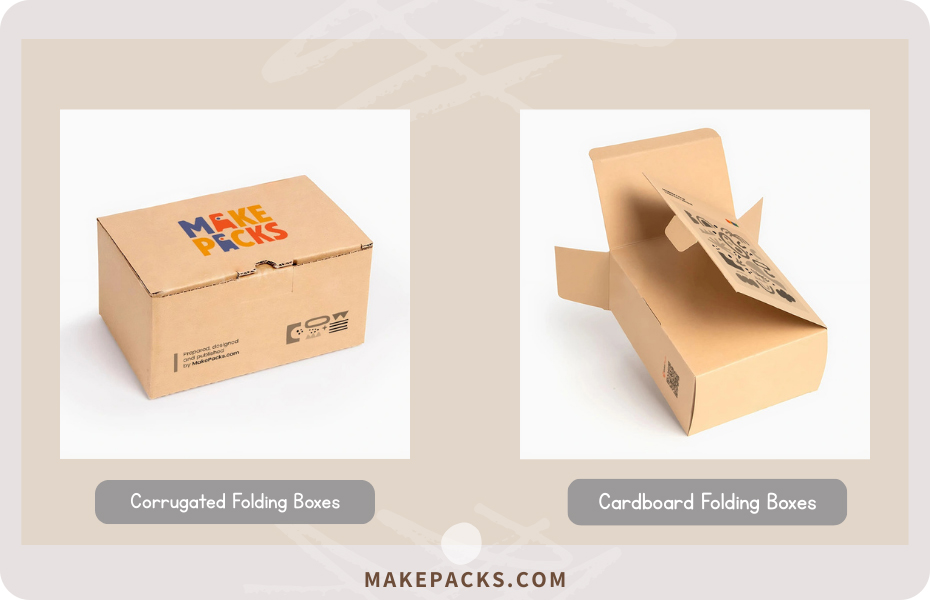
1、Corrugated Folding Boxes
Corrugated Folding Boxes are the most widely used custom packaging type on the market today, particularly suitable for e-commerce logistics and long-distance transportation. This type of box is typically constructed from three layers of material: inner and outer layers of liner paper, with a corrugated core paper in the middle forming a stable support structure. This design not only enhances the box's compression and impact resistance but also effectively cushions vibrations during transportation, minimizing the risk of product damage. As a result, corrugated folding boxes have become the preferred choice for businesses requiring high-protection transportation packaging—especially e-commerce sellers.
2、 Cardboard Folding Boxes
Cardboard folding boxes, also known as paperboard boxes, are made from single-layer cardboard, featuring a lightweight structure, smooth surface, and ease of high-end printing and shaping. They are typically used for packaging small, non-fragile products such as cosmetics, electronics, and candy gifts, and are suitable for retail display and short-term transportation scenarios. Compared to corrugated cardboard boxes, corrugated folding boxes prioritize aesthetics and brand display, making them widely applicable in industries that emphasize consumer experience and visual marketing.
Why is it important to understand folding box styles?
Understanding folding box styles is crucial for brands. With a wide variety of styles available on the market, selecting the appropriate box type is essential to effectively meet product packaging requirements and convey brand value. Therefore, when selecting folding boxes for products, it is important to carefully assess the suitability and expressiveness of different styles.
1、Product Protection
The right box design provides excellent physical protection for products, preventing damage during transportation or display. For example, designs with reinforced bottoms or built-in cushioning structures are suitable for heavy or fragile items; reasonable flaps and lock-bottom designs enhance the overall stability of the box, ensuring the safety of light to medium-sized products.
2、 Brand Image
Folding paper boxes are not merely containers for protecting products; they are also direct carriers of brand image. Appropriate box structures can enhance the unboxing experience, create a distinctive first impression of the brand, and align with the overall brand image, thereby aiding in the shaping and dissemination of the brand image.
3、 Consumer Experience and Interaction
Good structural design can also enhance usability and interactivity, such as easy-to-open tear-off tabs, tamper-proof seals, or custom cutouts. These elements not only optimize the user experience but also enhance the product's appeal and perceived value.
In summary, folding paper boxes are not a universal solution. Businesses should select the most suitable box style based on product characteristics, transportation conditions, and brand positioning to balance protective functionality, aesthetic value, and consumer perception, thereby achieving the strategic significance of packaging.
Custom Box Folding Styles
When customizing folding paper boxes, the choice of box structure is crucial, as it not only affects the functionality of the packaging but also directly relates to the transmission of the brand image. Although there are many types of folding paper boxes on the market, with flexible styles, sizes, and designs, successful customization must be based on a deep understanding of the brand positioning and target audience.
To this end, we have compiled the following folding paper box styles that are popular in the market for your reference when making decisions:
1、Tuck-End-Auto-Bottom
Tuck-End Auto-Bottom Boxes, also known as anti-collision bottom boxes, combine a foldable top lid with an auto-lock bottom structure. This design retains the visual appeal of foldable paper boxes while significantly enhancing load-bearing capacity and durability through reinforced bottoms. This box type features an automatic locking mechanism at the bottom during assembly, eliminating the need for adhesive, making it easy and quick to assemble. It is ideal for packaging heavier items or products requiring high protection, such as wine or beer, and is one of the most robust structural options available in paper box packaging.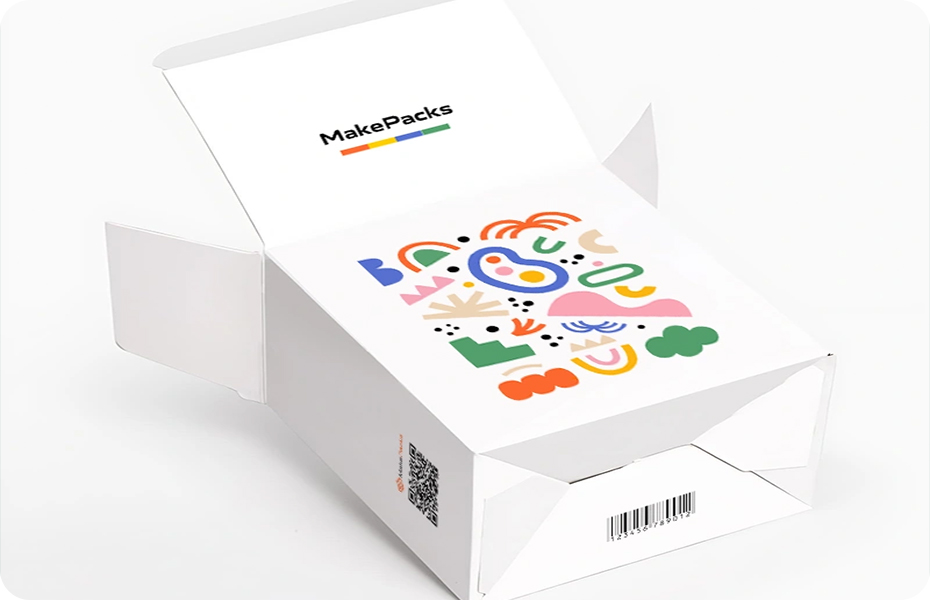
2、Tuck-End-Snap-Lock-Bottom
The tuck-end snap-lock bottom is a structurally robust packaging option, particularly suitable for heavier items such as wine and electronics. This box type is also known as the 1-2-3 bottom box, featuring a “1-2-3” snap-lock design on the bottom that can be quickly secured by pressing, eliminating the need for adhesive. It is easy to assemble and extremely sturdy. The top of the box includes a friction lock tab, ensuring strong overall stability. The flat bottom facilitates safe stacking, making it an ideal choice for transporting heavy items.
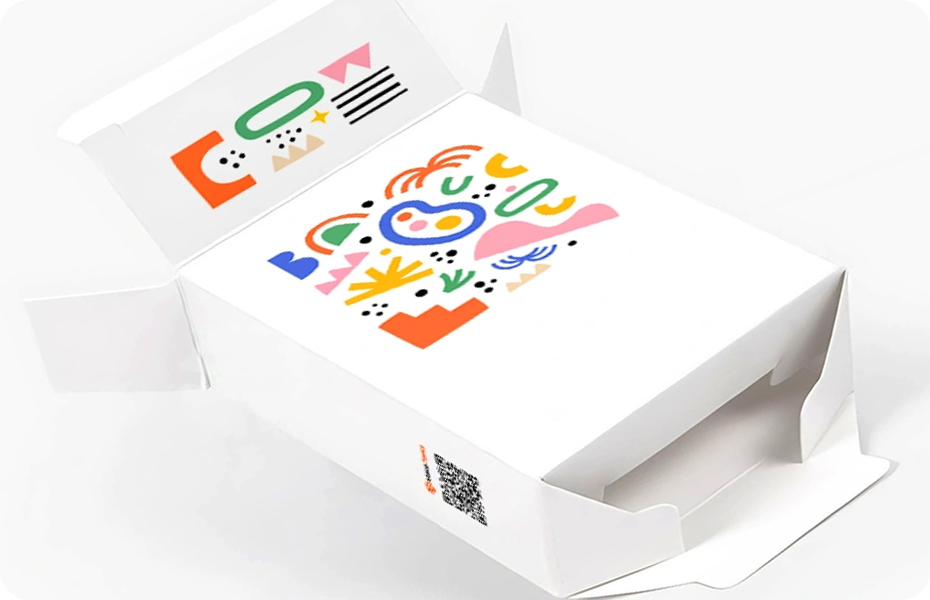
3、Straight-Tuck-End
The Straight Tuck-End (STE) box features a simple structure and easy assembly. Both the top and bottom flaps are located on the same side and can be securely locked by inserting them inward. This box type can be stored flat to save space.
This box type is suitable for carrying light to medium-weight products, such as cosmetics, essential oils, and electronic products. The box body is easy to print on, making it ideal for brand display. It combines practicality with aesthetics and is a classic packaging choice in the retail industry.
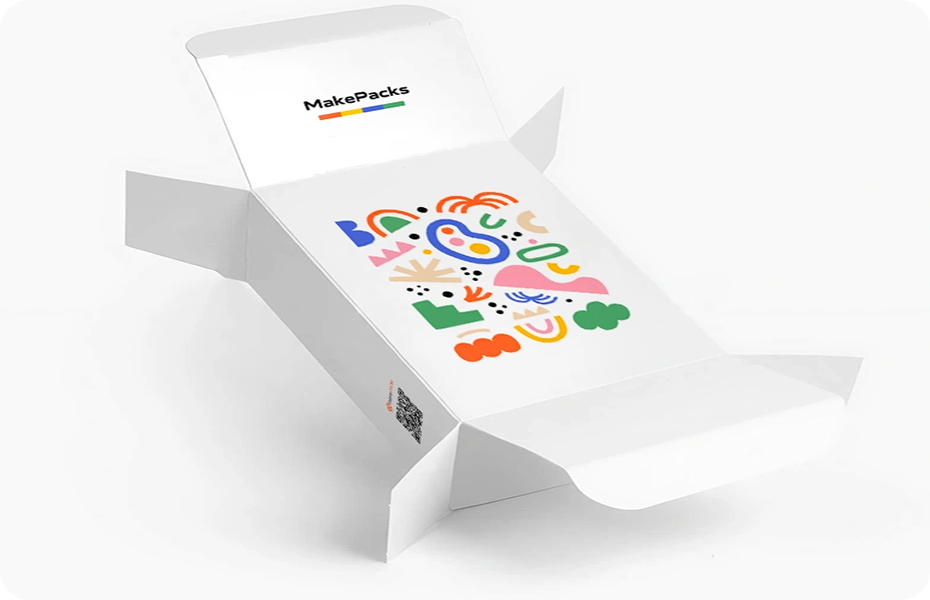
4、Reverse-Tuck-End
The Reverse Tuck-End (RTE) is a common type of folding carton characterized by flaps at the top and bottom that are inserted and closed from opposite directions at the front and back. This design differs from the Straight Tuck-End (STE), where the side flaps are typically connected on the same side and open in the same direction.
This design enhances stability through dual-direction folding, making it suitable for packaging lightweight to medium-weight products such as food, pharmaceuticals, and retail goods. It is easy to print on and cost-effective, widely used in retail and promotional settings.
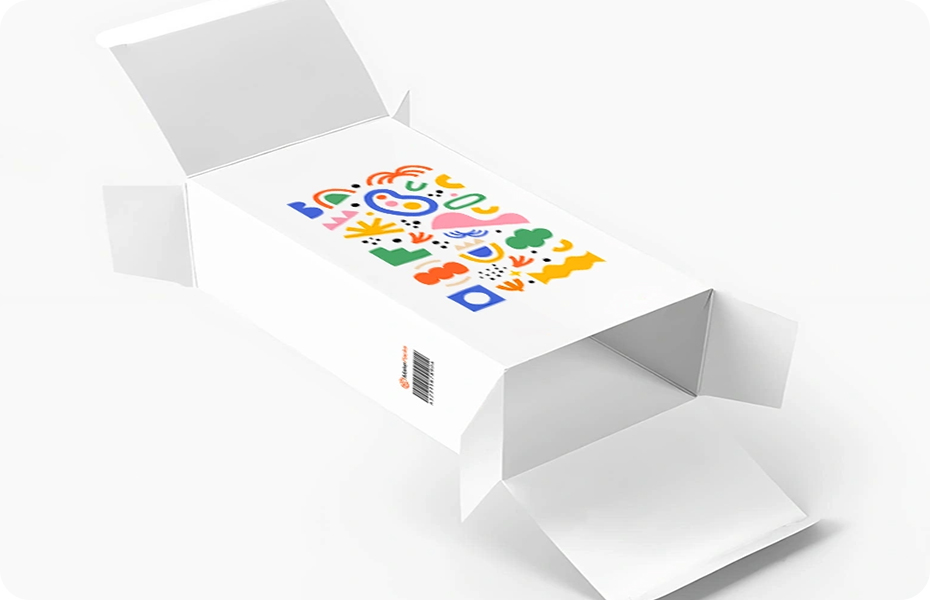
5、Double-Wall-Tray-&-Lid
Double-Wall Tray & Lid, also known as a two-piece packaging box, consists of two parts: the bottom tray and the lid. The tray and lid fit together tightly, forming a sturdy double-wall structure that not only enhances overall compression strength but also improves the quality and sophistication of the packaging.
This box type is particularly suitable for high-end products such as jewelry, luxury clothing, and food items like candy and bakery, providing reliable protection while presenting an elegant and refined visual display effect.
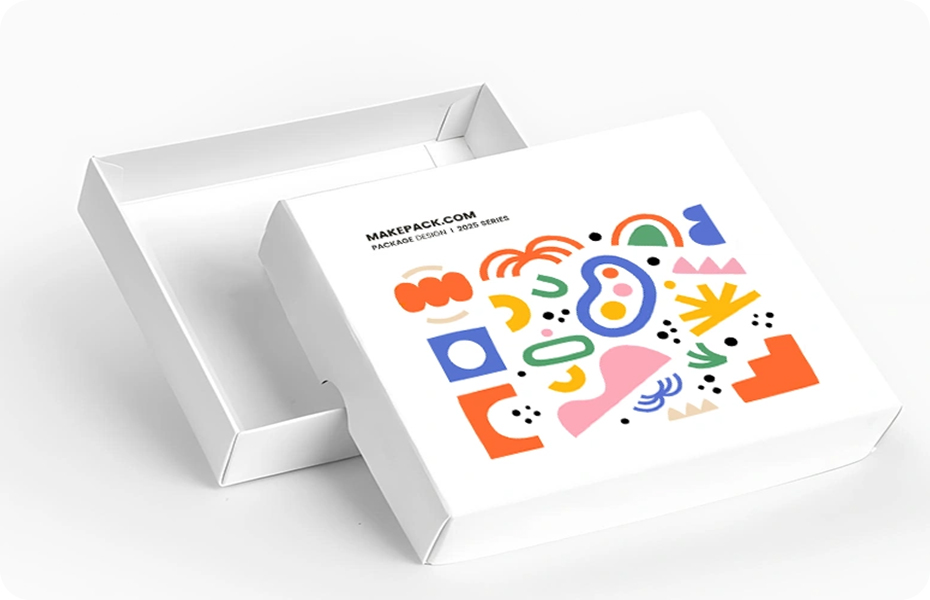
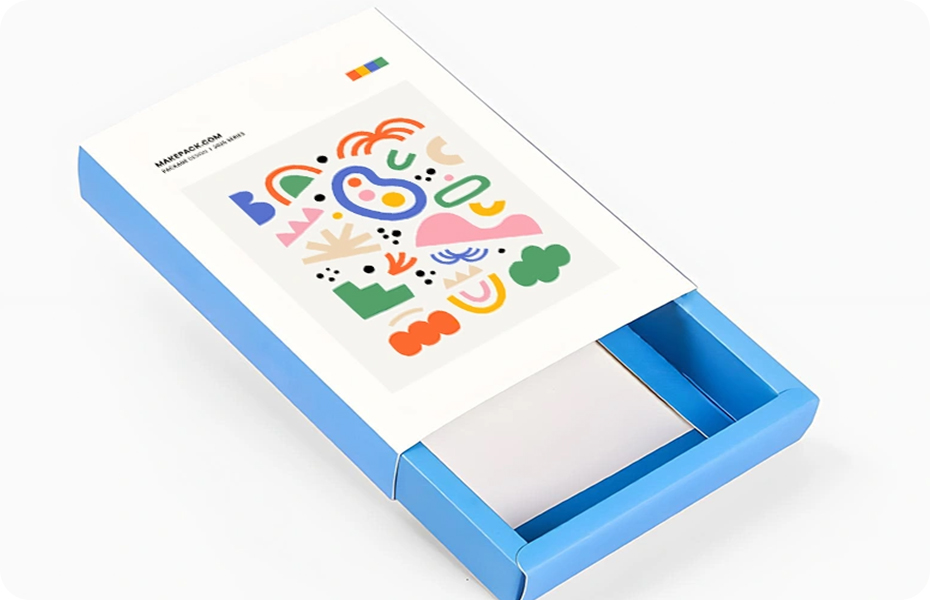
6、Double-Wall-Frame-Tray-&-Sleeve
The Double-Wall Frame Tray & Sleeve Set consists of an open-top tray and a sleeve without a top or bottom. The sleeve secures the tray in place, ensuring a sturdy structure and easy assembly. This significantly enhances the visual appeal of the packaging.
This type of packaging is cost-effective and highly efficient to produce. The outer sleeve provides ample space for brand display, allowing for the printing of eye-catching patterns and designs. It is widely applicable for the elegant packaging of medium-weight items such as pastries, perfumes, scented candles, and gifts, balancing aesthetic appeal with basic protection.
7、Sleeve
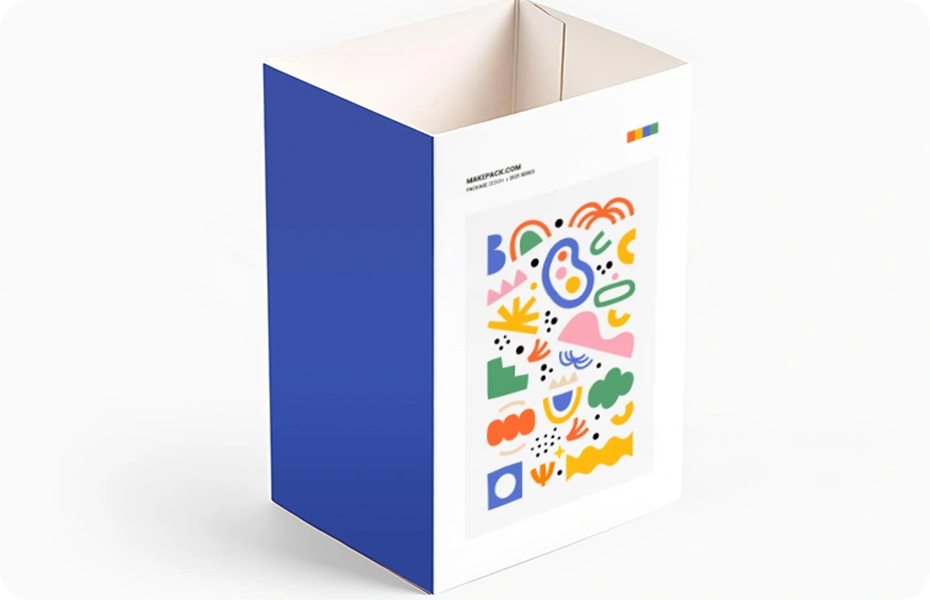
Sleeve packaging is an outer paper sleeve that is typically used to wrap around the exterior of another simpler or undecorated box. This packaging method is widely popular due to its low cost and ability to quickly enhance the visual appeal of gifts.
It adds a beautiful, personalized appearance to ordinary packaging without requiring complex modifications to the internal base packaging, making it an efficient and economical brand enhancement solution.
8、Gable-Box
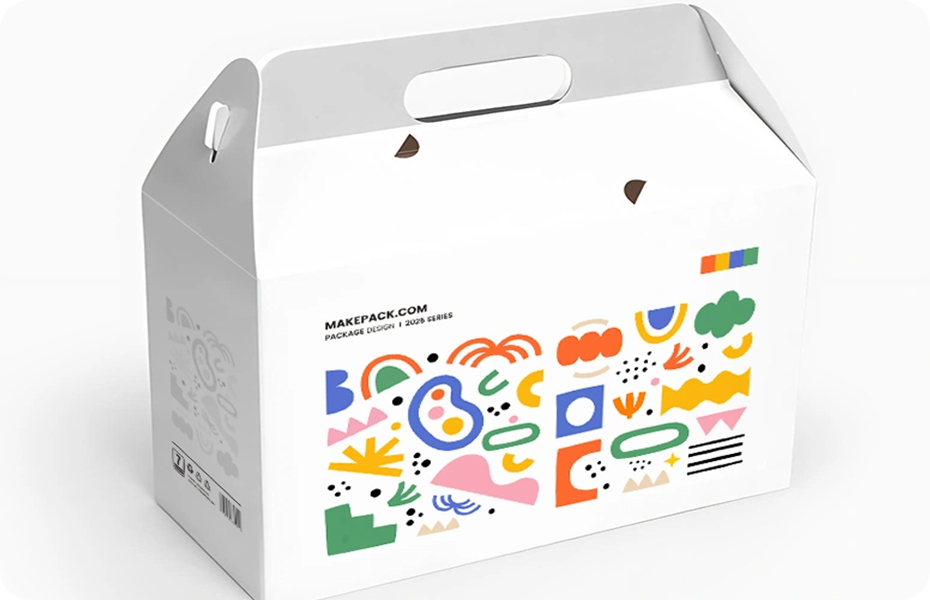
The gable box, with its distinctive sloped roof design and ridge-like structure, is easily recognizable. Originally designed for liquid beverages such as milk and juice, it is now widely used for refrigerated foods and perishable items.
This box type is typically made from a composite of cardboard and a thermoplastic coating, offering leak-proof and moisture-resistant properties to ensure hygiene during storage and transportation. The opening design facilitates pouring, with some models featuring pre-installed lids. The larger side provides ample space for brand display, making it ideal for highlighting product information and promotional content.
Welcome to makepacks. Explore more folding carton box types and get professional packaging solutions.

Conclusion
Selecting the appropriate folding carton style is not only crucial for product safety during transportation and display but also directly impacts brand image and customer experience. Whether it’s the classic folding carton or more distinctive structures like sleeve-style or two-piece designs, we offer a wide range of styles to meet the functional and brand requirements of various products.
If you are seeking a folding paper box solution that combines fashion, functionality, and sustainability for your product, please contact our packaging experts. We will provide professional customization services to help you create an impressive packaging experience. Contact us today to embark on your personalized packaging journey!


