When consumers stop before a shelf, within mere seconds, their choices have already been influenced by an invisible hand—the product packaging. Packaging is far more than a simple container; it is your brand's first handshake with consumers, the “silent salesperson” at the forefront of retail. The idea that “packaging only needs to protect the product” may cause countless brands to miss out on valuable growth opportunities.
How important is packaging to product marketing?
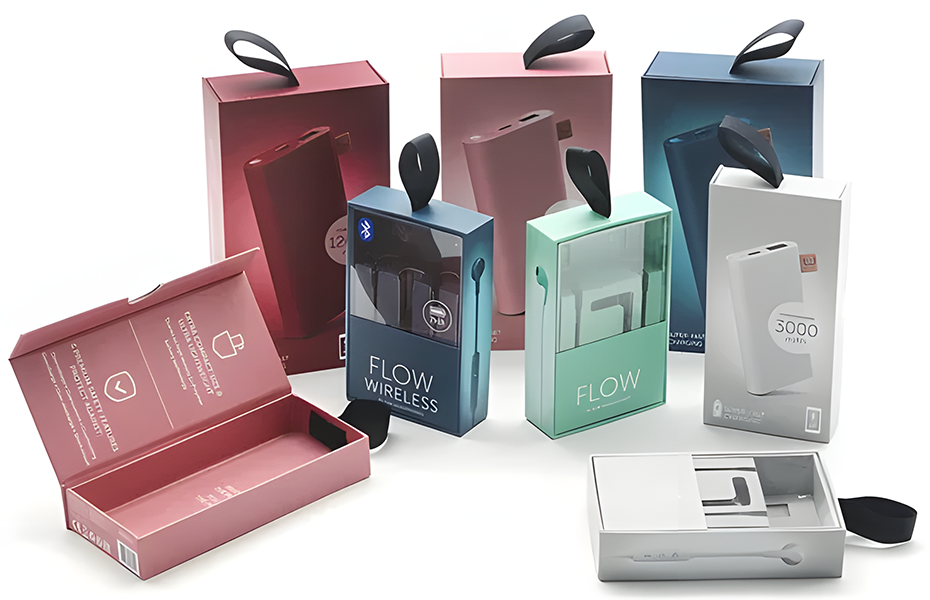
It serves not only as the product's guardian but also as the brand's ambassador. Nowadays, packaging has evolved into a mobile billboard for brands: creating unforgettable unboxing experiences, driving repeat purchases, sparking organic social media sharing, and delivering exponential exposure growth for brands.
First Impressions Matter: The “Golden Three-Second Rule” of Packaging
1、Visual Appeal: Instantly Capture the Consumer's Attention
Humans are inherently visual creatures. Bold, vibrant colors, unique and intriguing shapes, and textured specialty materials—these elements can instantly grab a consumer's attention.
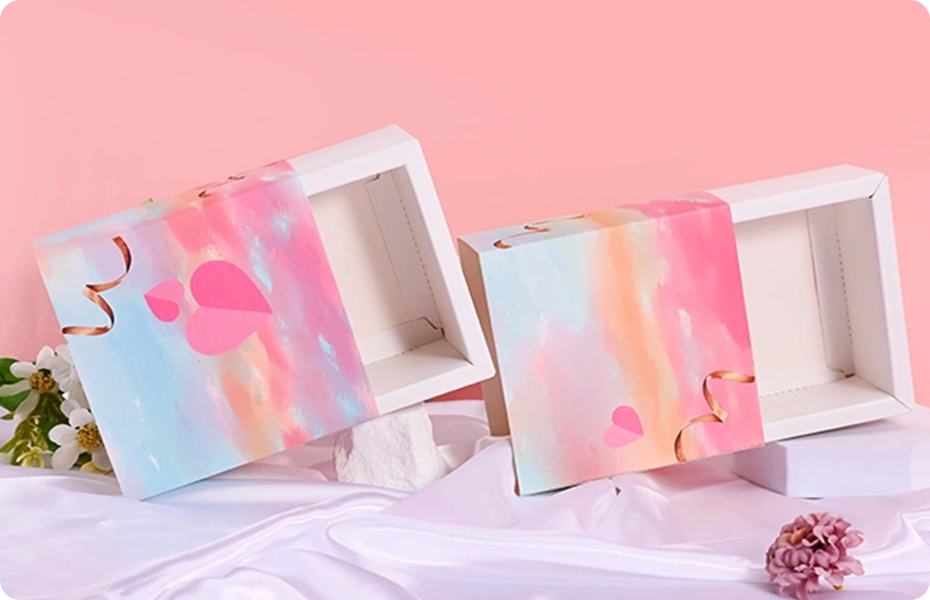
2、Emotional Connection: Tell Brand Story Through Packaging
Great packaging isn't just a container—it's a vessel for your brand narrative. Through typography, imagery, and overall aesthetic, packaging conveys your brand's heritage, philosophy, and personality. Vintage labels imply traditional craftsmanship, while minimalist designs signal modern fashion. This emotional resonance is the first step toward building brand loyalty.
3、Standing Out: Winning in the Attention Economy
In a highly homogenized market, unconventional packaging transforms your product from “one of many choices” into an “unmissable presence.” When competitors rely on similar packaging, an innovative design not only grabs eyes but also communicates your product's unique value proposition.
Beyond Aesthetics: The Multidimensional Marketing Functions of Packaging
1、Mobile Billboards: The “Shareable” Value in the Social Media Era
In an era dominated by visual communication on platforms like Instagram and Xiaohongshu, visually striking packaging itself becomes shareable content. Consumers actively share products with outstanding design and unique unboxing experiences, generating free viral exposure for brands.
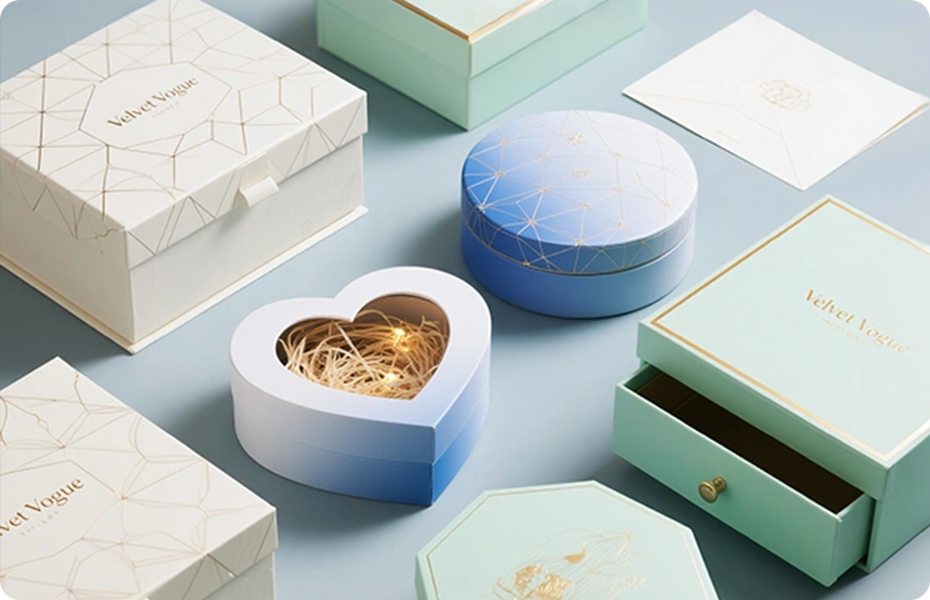
2、Messengers of Information: Clearly Communicating Product Value
Packaging serves as the product's “silent salesperson,” bearing the crucial task of self-introduction—it must clearly answer consumers' questions: “What is this?”, “Why do I need it?”, and “How do I use it?”. Through concise copy, intuitive illustrations, and well-organized information layout, packaging significantly reduces consumers' decision-making costs while highlighting the product's core selling points.
3、The Starting Point of User Experience: Unboxing Moments and Brand Loyalty
The brand experience begins the instant consumers open the packaging. Details like smooth opening mechanisms, thoughtful protective inserts, or even a handwritten thank-you note can create delightful “wow moments,” greatly enhancing users' emotional connection and loyalty to the brand.
Creating Exceptional Customer Experiences: Strategic Thinking in Packaging Design
1、Know Thyself: Precise Dialogue Between Brand Positioning and Target Audience
Packaging design must begin with a deep understanding of the brand's core identity. Is your brand positioned as high-end luxury or accessible value? Do you target young consumers seeking novelty or professionals prioritizing quality? Packaging design must consistently align with brand strategy, precisely resonating with the target audience's aesthetic preferences and values to achieve silent yet effective communication.
2、Know Your Competitors: Finding Differentiation In Competition and Trends
Successful packaging strategies require thorough research into competitors and industry trends. The goal is not imitation, but achieving distinct differentiation. While incorporating popular design elements, focus on building a unique visual language for your brand, enabling your product to stand out in the marketplace.
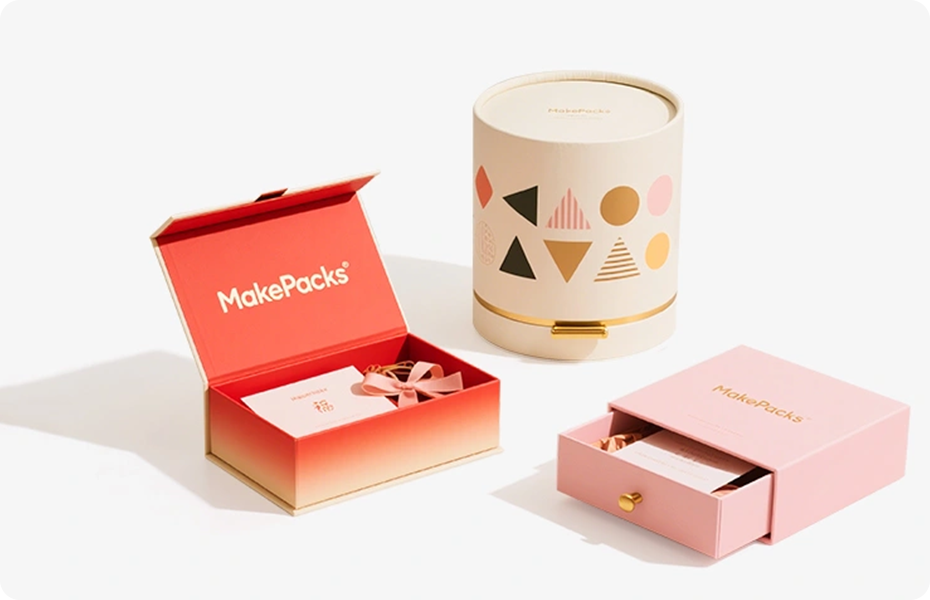
3、Balancing Art and Function: The Union of Creativity and Practicality
Highly creative packaging loses its practical value if it cannot be mass-produced, incurs excessive costs, or compromises shipping safety. Truly exceptional packaging design seeks the optimal balance between creativity, cost, production feasibility, and product protection—showcasing brand appeal while meeting commercial realities.
Crafting Brand Narratives: Packaging Trends for the Future
1、Sustainability as Brand Identity: Sustainable Materials Shape New Competitive Advantages
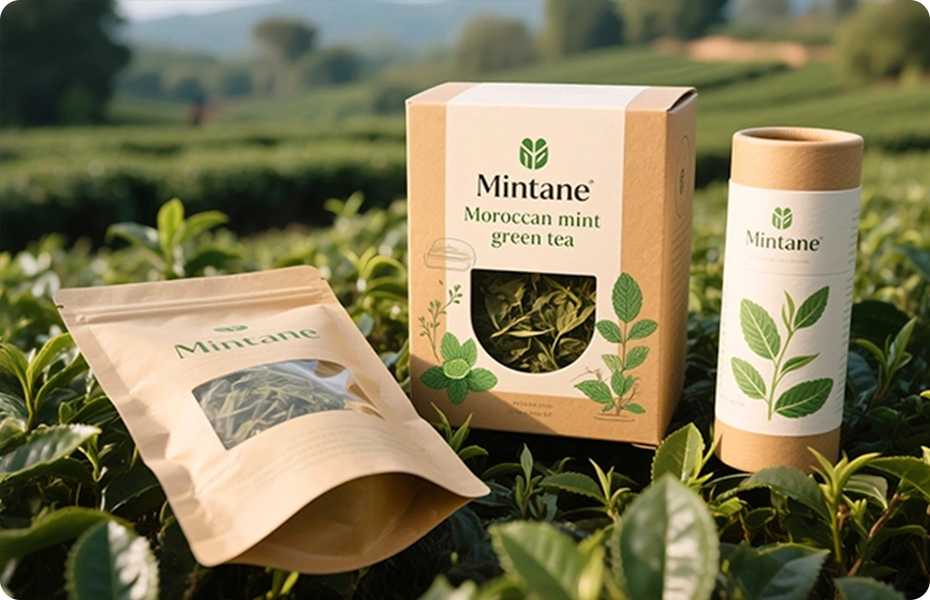
Environmental responsibility has evolved from an add-on to a core brand competency. Increasingly, consumers—especially younger demographics—prioritize sustainability when choosing brands. Adopting recyclable, biodegradable, or recycled materials not only significantly elevates brand image but also tangibly demonstrates social responsibility, effectively winning over eco-conscious consumers.
2、Tech-Empowered Experiences: QR Codes and AR Redefine Interaction
By integrating QR codes or AR (augmented reality) technology, static packaging transforms into a
gateway to the digital world. Consumers can scan to access product videos, participate in promotions, trace origins, and enjoy immersive brand experiences, greatly extending packaging's communication lifecycle and marketing value.
3、Smart Packaging: Functional Upgrades and Trust Building
Technological advancements are driving packaging toward “smart” evolution. Features like freshness indicators in food packaging, medication reminder labels on pharmaceuticals, and anti-counterfeiting chips in luxury goods not only enhance product functionality but also significantly improve consumer experience and brand trust.
Conclusion
Product packaging is far more than just a container—it is the tangible embodiment of a brand, a silent salesperson, and the heart of the user experience. In today's fiercely competitive market, neglecting packaging means missing a golden opportunity to connect with consumers. Treat packaging as a vital brand investment, not merely a cost—exceptional design builds brand equity, drives sales, and cultivates customer loyalty. Let packaging speak for your brand, crafting unforgettable experiences that even inspire collectors, just as Makepacks won users' hearts with its subscription box design. Investing in packaging is investing in your brand's future.